

A solar-powered alternative to wood-fired cooking with Zacstar Ltd.
Improving the design, affordability, and manufacturability of a solar oven to support more sustainable household cooking in Nigeria
Colleen McCann, SMART Centre
About Zacstar Ltd.
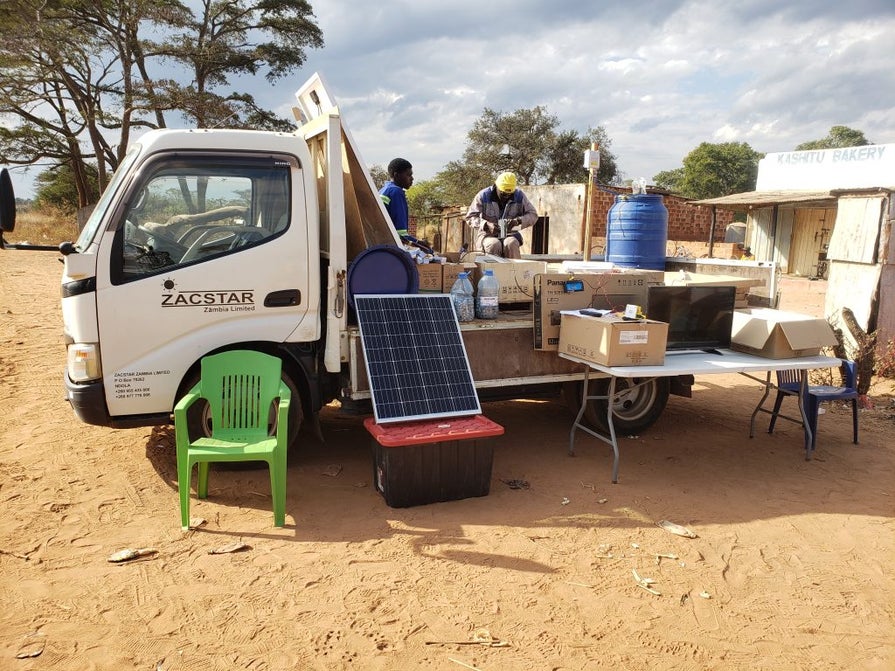
Zacstar Ltd. supplies solar panels to the Nigerian market. The company partnered with Conestoga’s SMART Centre to refine a solar oven prototype designed to provide households with an alternative to wood-fired cooking. The project focused on improving the oven’s functionality, durability, and affordability while preparing the design for potential manufacturing.
The challenge
Many households in Nigeria rely on wood-fired cooking because of limited access to reliable electricity. This dependence contributes to deforestation and greenhouse gas emissions while creating challenges for everyday meal preparation. Zacstar sought to develop a practical solar-powered cooking solution that would be affordable, durable, and easy for households to use.
Approach
- Evaluated an existing solar oven prototype to identify mechanical and electrical improvements
- Refined the mechanical design to improve usability, durability, and manufacturability
- Redesigned the electrical system to reduce component requirements and manufacturing costs
- Investigated methods to improve heat retention and cooking performance
- Conducted temperature testing to assess the oven’s ability to maintain a target heat setting
- Developed manufacturing documentation, including a bill of materials and mechanical and electrical drawings
Results
- Produced updated mechanical and electrical designs for the solar oven
- Reduced the electrical system’s component footprint to better support residential use and lower manufacturing costs
- Created technical drawings and a bill of materials to support future production by suppliers
- Completed functional temperature testing to evaluate heat retention and temperature control
- Documented design recommendations for the next prototype iteration
- Identified opportunities to improve performance during variable weather conditions through additional solar panel and battery capacity
Why it matters
- Supports the development of more accessible and sustainable household cooking alternatives
- Creates opportunities to reduce reliance on wood-fired cooking and associated environmental impacts
- Advances an affordable solar-powered solution for communities with unreliable electrical infrastructure
- Improves the potential for manufacturing and commercializing residential solar cooking technology
- Establishes a foundation for further prototype testing and development before commercialization